
Mercury / Commercial & industrial
Liquid-cooled C&I storage, including Mercury 261 and hybrid ESS documentation.
Explore Mercury →Residential batteries, commercial storage cabinets and container-scale systems serve different needs. Start with the application, then match power, energy and the electrical interface.
Explore your options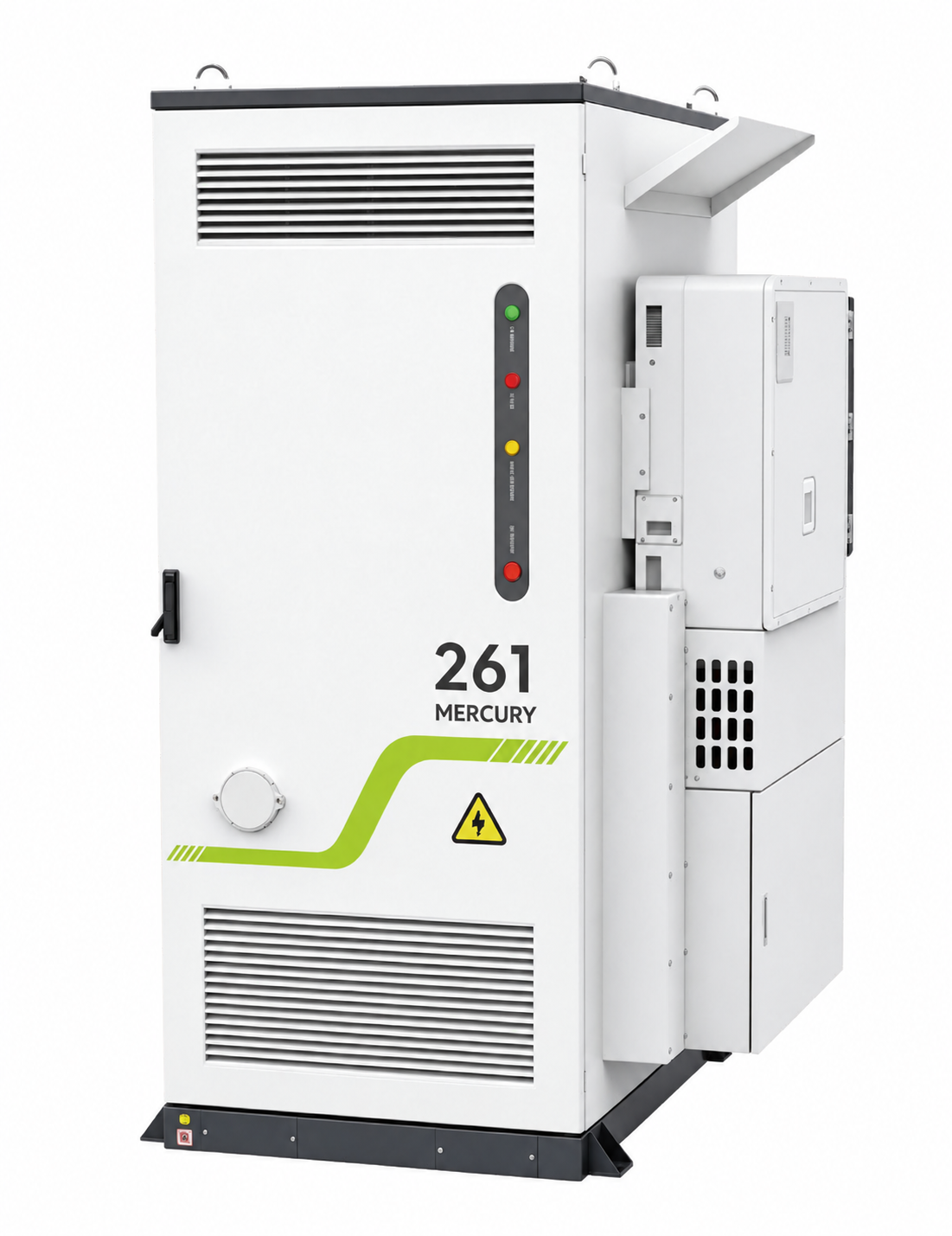
Liquid-cooled C&I storage, including Mercury 261 and hybrid ESS documentation.
Explore Mercury →Low-voltage residential batteries and single- or three-phase hybrid inverter documentation.
Explore Saturn →High-voltage batteries, hybrid inverters and all-in-one residential systems.
Explore Venus →Neptune 5015 battery container documentation for project-scale system assessment.
Explore Neptune →CESC product families supplied through WAYTON, with equipment selection and project coordination. Use the documentation for the exact proposed model and configuration.
| Decision | 233 kWh option | 261 kWh option |
|---|---|---|
| Nominal energy | 233 kWh | 261 kWh |
| Selection logic | Assess when the required duty fits the proposed usable-energy window. | Assess when the operating profile can make use of the additional nominal energy. |
| Power rating | Confirm the proposed PCS and continuous AC power. | Confirm the proposed PCS and continuous AC power. |
| Italy documentation | Request the CEI documentation for the proposed configuration. | Request the CEI documentation for the proposed configuration. |
The nominal difference is 28 kWh, approximately 12%. It does not establish a difference in power, backup capability or savings. Compare the actual configuration and usable energy.
WAYTON offers 233 kWh and 261 kWh options with CEI certification. Match the supporting documents to the model, converter and project connection requirements.
Read the Italy storage selection guide →| Requirement | Information to provide |
|---|---|
| Solar self-consumption | PV capacity, surplus-generation profile and demand outside solar hours. |
| Demand management | Peak power, duration, frequency and the actual electricity contract. |
| Backup | Critical loads, required duration, acceptable interruption and transfer arrangement. |
| Container-scale projects | MW/MWh duty, connection voltage, PCS, transformer, controls and site requirements. |
Grid-connected storage does not automatically provide backup and is not a drop-in UPS replacement. Confirm the complete architecture.
Understand kW, kWh, usable capacity and the operating requirement.
Read the sizing guide →Filter the product family and compare available datasheets, manuals and warranty information.
Browse storage documents →Agree equipment, installation interfaces, commissioning and after-sales responsibilities.
Build the project brief →Start with the project country, application and any requirements you already know. Detailed specifications can follow.
Discuss a storage projectSeparate installed projects from the pipeline, compare low-voltage batteries with commercial systems, and specify storage for Kenyan operating and grid conditions.
Read the Kenya market guide →